
If you or a loved one is dealing with osteoporosis, you know how important it is to effectively manage this condition and prevent further complications. In my new article, “From Fragile to Resilient: A Step-by-Step Approach to Effectively Managing Osteoporosis,” I will guide you through the necessary steps towards a healthier and more resilient life.
With my carefully crafted and easy-to-follow approach, you will learn how to strengthen your bones, improve your overall health, and reduce the risk of fractures. I understand what it’s like to have a diagnosis of osteoporosis as I have been living with it for over 25 years. Due to a long history of nutritional abuse from anorexia and bulimia.
And so, I know that managing osteoporosis can be overwhelming. But from my own journey with the disease and my many years as a fitness professional, I have compiled comprehensive strategies that will empower you to take control of your condition and live a fulfilling life.
Using the latest medical research and expert advice, I will explore the importance of proper nutrition, exercise, and medication in managing osteoporosis. From debunking common myths to providing practical tips, my article will equip you with the knowledge and tools you need to make informed decisions about your health.
Understanding Osteoporosis: Causes, Symptoms, and Risk Factors
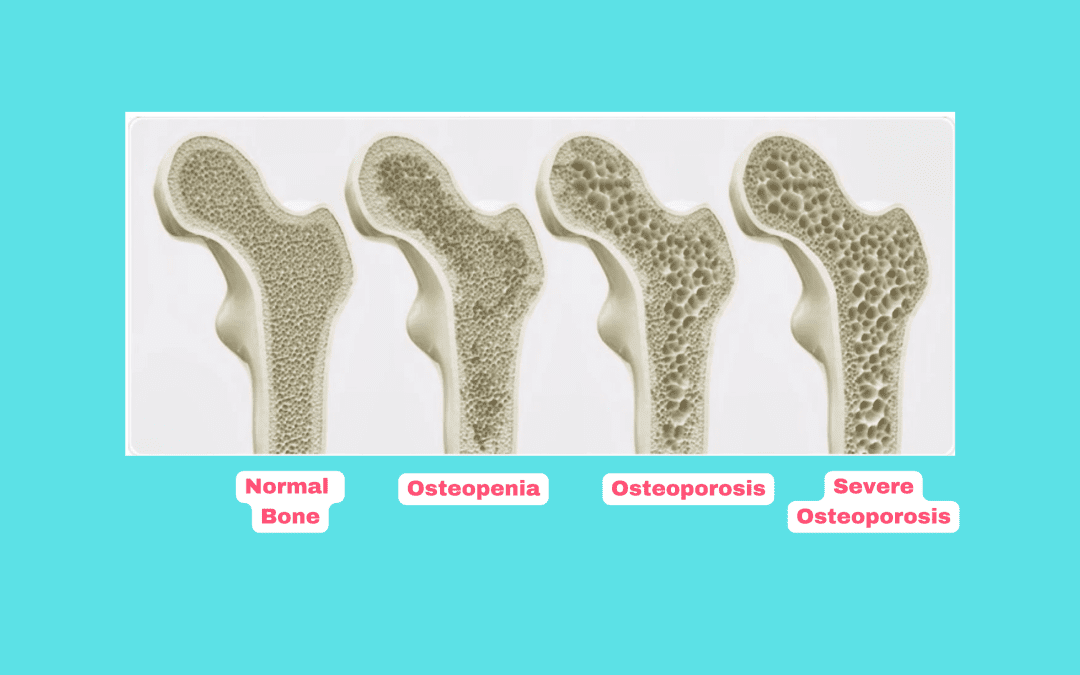
Osteoporosis means porous bones. It is a condition that causes bones to become thin, weak and fragile, making them more susceptible to fractures. It occurs when the body loses too much bone mass or fails to produce enough bone. This leads to a decrease in bone density, making the bones fragile and prone to breakage. Osteoporosis often develops slowly over time and is more common in older adults, particularly women.
- An estimated 924,000 Australians have osteoporosis.
- It is more common in women than men (29% of women aged 75 and over vs 10%).
- Over half of women aged 75 years and older have osteoporosis.
There are an estimated 10 million people with osteoporosis in the U.S., 8 million of those are women.
And in the UK, 3.6 million women have the disease.
The primary causes of osteoporosis include hormonal changes, such as decreased estrogen production during menopause, and an inadequate intake of calcium and vitamin D. Other risk factors include a family history of osteoporosis, a sedentary lifestyle, smoking, excessive alcohol consumption, history of anorexia nervosa, and certain medical conditions or medications that affect bone health.
Recognizing the symptoms of osteoporosis is crucial for early detection and treatment. Common signs include back pain, loss of height, and a stooped posture. However, in the early stages, osteoporosis may not cause noticeable symptoms, making regular screenings and bone density tests essential for diagnosis.
By understanding the causes, symptoms, and risk factors associated with osteoporosis, you can take proactive steps to prevent and manage this condition effectively.
The Importance of Early Detection and Diagnosis
Early detection and diagnosis are crucial for effectively managing osteoporosis. As mentioned earlier, this condition often develops silently without noticeable symptoms until a fracture occurs. Therefore, routine screenings and bone density tests are essential for identifying osteoporosis in its early stages.
A bone density test, also known as a DEXA scan, measures the mineral content and density of your bones. This non-invasive test helps determine your risk of fractures and provides valuable information for developing an appropriate treatment plan.
Once diagnosed, you can work with your healthcare provider to establish a baseline for your bone health and monitor any changes over time. Early intervention allows for more effective management and reduces the risk of complications, such as fractures and loss of mobility.
Remember, knowledge is power when it comes to osteoporosis. By being proactive about your bone health and seeking early diagnosis, you can take control of your condition and prevent further deterioration.
Osteopenia
There is a condition known as Osteopenia that is a precursor to osteoporosis and is more common. This is where the bones start to show changes in their strength and bone density.
It’s estimated that over 50% of women over 50 have osteopenia.
It is important to remember that it is not a cause for alarm. With proper management and lifestyle changes, individuals with osteopenia can lead active and healthy lives. And significantly lower their chances of developing osteoporosis.
Building Bone Density Through Diet and Exercise
Diet and exercise play crucial roles in building and maintaining strong bones. A well-balanced diet rich in calcium, vitamin D, and other essential nutrients is essential for optimal bone health. Calcium is the primary building block of bones, and vitamin D aids in calcium absorption. Good dietary sources of calcium include dairy products, leafy greens, tofu, and fortified foods. Vitamin D can be obtained through sunlight exposure and dietary sources like fatty fish and egg yolks.
In addition to proper nutrition, regular exercise is essential for strengthening bones and improving overall health.
Cardio exercise, such as walking, jogging, or dancing, is a fantastic option for individuals with osteoporosis. These exercises are low-impact and can help improve cardiovascular health while also strengthening the bones. Regular cardio exercise helps to increase bone density, reduce the risk of fractures, and improve balance and coordination. It is important to start slowly and gradually increase the intensity and duration of the exercise to avoid overexertion or injury. Engaging in cardio exercise for at least 30 minutes a day, several times a week, can have significant benefits for individuals with osteoporosis.
In addition to cardio exercise, strength training is another effective option for treating osteoporosis. Strength training involves using weights or resistance bands to work the muscles and bones. By doing exercises such as squats, lunges, or bicep curls, you are not only building muscle but also putting stress on the bones, which promotes bone growth.
It is important to start with lighter weights and gradually increase the intensity as your muscles and bones become stronger. Resistance or strength training is pivotal in the management of osteoporosis.
In addition to cardio exercise and strength training, other exercise options such as yoga, pilates or tai chi can also benefit individuals with osteoporosis. These exercises focus on improving balance, flexibility, and core strength, which are all important aspects for maintaining bone health and reducing the risk of falls. Yoga and tai chi exercises are gentle on the joints and can be modified to accommodate different fitness levels.
Overall, exercise is an empowering option for individuals with osteoporosis. By incorporating regular cardio exercise, strength training, or other gentle exercises into their routine, individuals can strengthen their bones, improve balance and coordination, reduce the risk of fractures, and enhance overall quality of life. It is important to consult with a healthcare professional before starting any exercise program to ensure safety and effectiveness. With dedication and consistency, exercise can be a powerful tool in managing osteoporosis and promoting overall well-being.
Medication Options
It’s important to understand the various medication options available to help manage this condition. Medication is often a crucial component of treatment, as it can help slow down bone loss and reduce the risk of fractures. There are several different types of medications that can be prescribed by your healthcare provider, depending on your individual needs and preferences.
One common type of medication for osteoporosis is bisphosphonates. These medications work by slowing down the breakdown of bone, which can help prevent fractures. They are typically taken orally or through injection and have been shown to be effective in reducing the risk of fractures in people with osteoporosis. Bisphosphonates are generally well-tolerated, although some people may experience side effects such as heartburn or stomach upset. Your healthcare provider can discuss the benefits and potential risks of bisphosphonates with you to determine if this medication is the right choice for you.
Another option for managing osteoporosis is hormonal therapy, specifically estrogen or hormone replacement therapy (HRT). Estrogen plays a crucial role in maintaining bone density, and as women go through menopause, their estrogen levels decline, increasing the risk of osteoporosis. HRT can help replace the lost estrogen and reduce the risk of fractures. However, it’s important to note that HRT may not be suitable for everyone, as it can increase the risk of certain health conditions. Your healthcare provider can help weigh the benefits and risks of HRT to determine if it’s a suitable option for you.
One of these most important things to consider when you have a diagnosis of osteoporosis and also osteopenia is fall prevention.
I wrote an informative blog article on this and here is the link for you: